
Loading Dock Equipment Maintenance
Loading dock equipment operates under constant demand. Routine inspections and planned maintenance help businesses identify normal wear before it begins affecting freight movement, employee safety, or daily productivity. KP Doors & Access provides loading dock equipment maintenance in San Francisco with maintenance programs designed around the way each facility operates.
Maintenance Begins With Understanding Your Operation
Every loading dock experiences wear differently because every facility moves freight differently. A warehouse processing a handful of trailers each day places very different demands on its equipment than a distribution center operating multiple dock positions from morning until night.
Before recommending a maintenance schedule, we evaluate how your loading dock operates, how frequently the equipment is used, and how it supports your shipping and receiving process. This allows us to develop maintenance recommendations that reflect real operating conditions rather than relying on a standard service schedule.
Every Maintenance Program Includes
Evaluation of equipment usage
Inspection of critical dock components
Safety device testing
Routine adjustments and lubrication
Identification of developing wear
Every Maintenance Program Includes
Evaluation of equipment usage
Inspection of critical dock components
Safety device testing
Routine adjustments and lubrication
Identification of developing wear
Maintenance Begins With Understanding Your Operation
Every loading dock experiences wear differently because every facility moves freight differently. A warehouse processing a handful of trailers each day places very different demands on its equipment than a distribution center operating multiple dock positions from morning until night.
Before recommending a maintenance schedule, we evaluate how your loading dock operates, how frequently the equipment is used, and how it supports your shipping and receiving process. This allows us to develop maintenance recommendations that reflect real operating conditions rather than relying on a standard service schedule.
What We Evaluate During Routine Maintenance
Preventive maintenance is about understanding how the complete loading dock system is performing, not simply servicing individual components. During each visit, our technicians inspect the equipment, evaluate overall system condition, identify developing wear, and perform routine adjustments that help maintain safe and reliable loading operations. By looking at the dock as a complete operating system, we can often identify issues before they begin affecting productivity.
- Inspect dock levelers
- Evaluate vehicle restraints
- Check hydraulic systems
- Inspect dock seals and shelters
- Test safety devices
- Verify equipment alignment
- Inspect structural components
- Lubricate moving parts
Restoring More Than the Equipment
A successful repair restores more than the operation of an individual piece of equipment. It restores the flow of trailers, employees, and freight throughout the loading dock while helping businesses avoid unnecessary interruptions. During every repair, our technicians evaluate nearby components for developing wear, alignment issues, and maintenance needs that may affect future performance, allowing customers to plan repairs before another unexpected breakdown occurs.
Equipment Wear Is Part of Daily Operations
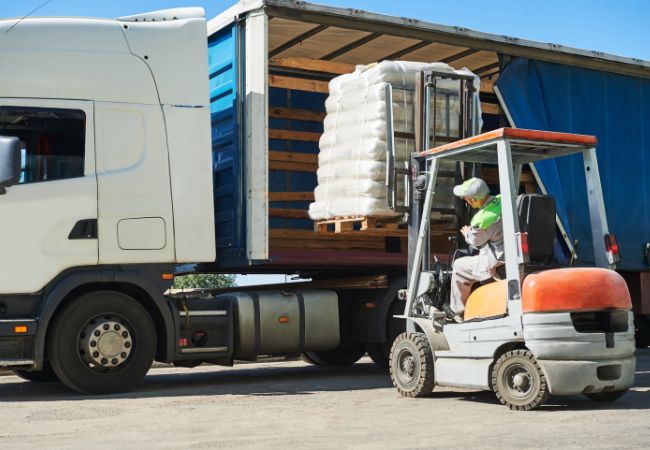
Loading dock equipment experiences repeated impact, heavy loads, and continuous mechanical movement throughout the workday. Dock levelers cycle with every trailer, restraints engage and release repeatedly, and dock seals compress against trailers of different sizes and heights. These conditions create normal wear that develops gradually over time, often without affecting operations immediately. Routine maintenance helps identify those changes early, allowing businesses to address small issues before they become larger repairs or unexpected interruptions.
Why Businesses Choose KP Doors & Access
Businesses throughout Northern California choose KP Doors & Access because our maintenance programs are developed around the way loading docks actually operate. Rather than following a one-size-fits-all schedule, we evaluate equipment usage, traffic patterns, and operational demands to recommend maintenance strategies that improve reliability and reduce unexpected repairs. Our goal is to help customers keep freight moving while extending the life of their loading dock equipment.
Frequently Asked Questions
How often should loading dock equipment be maintained?
Does preventive maintenance eliminate repairs?
No. Loading dock equipment naturally experiences wear over time. Preventive maintenance helps identify developing issues earlier so repairs can often be planned instead of becoming unexpected interruptions.
Do you maintain loading dock equipment installed by other companies?
Yes. We provide maintenance for many existing loading dock systems and equipment manufacturers throughout Northern California.
What areas do you serve?
We provide loading dock equipment maintenance in San Francisco, throughout the Bay Area, the Central Valley, and surrounding Northern California communities.